
V. I. Warshawski’s Return Home
Blood ShotThe return to South Chicago tests V. I. Warshawski’s sense of belonging, brings painful family history into focus, and changes what home means to her.
increasing Bearing strength in each event
 decreasing
Bearing strength in each eventdecreasingThe Changed Landscape
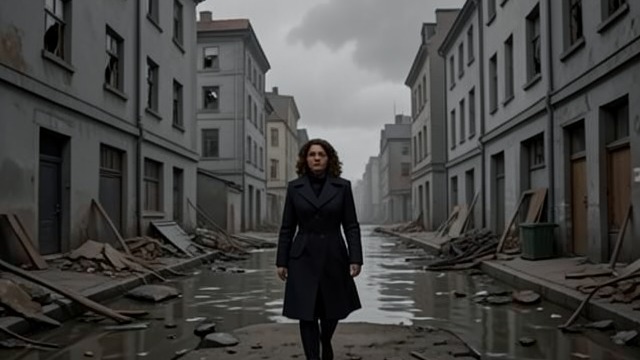
A Familiar Place
Industrial decay
V. I. Warshawski returns to South Chicago and sees shuttered factories, damaged homes, and persistent pollution where her childhood neighborhood once supported working families.
The distance of memory
The streets remain familiar, yet her adult life has made her feel like a visitor in the community she left.
The landscape makes economic loss visible before the investigation even begins.
Old Neighbors
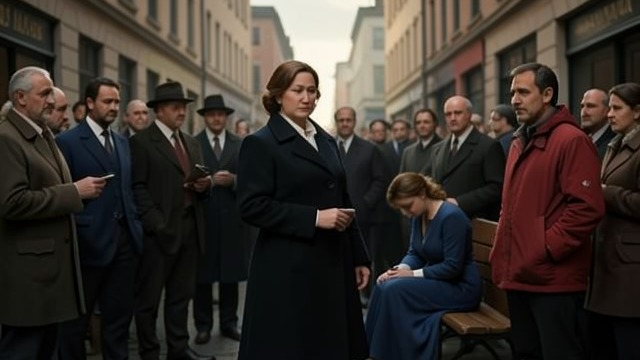
Returning to the Block
Community memory
V. I. Warshawski revisits Louisa Djiak, Martha Djiak, Ed Djiak, and Connie, finding the old family rules still present in conversation and domestic ritual.
A difficult recognition
The neighborhood’s expectations—about gender, sex, marriage, and respectability—help explain why Louisa’s pregnancy became a public disgrace.
The return is not comforting nostalgia; it makes the damage of the past newly legible.
The Past Resists Closure
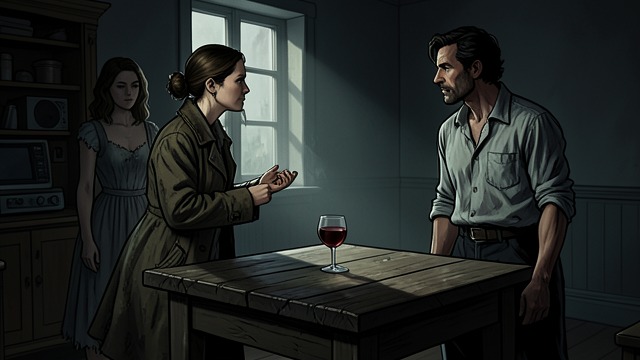
Old Anger Reopened
The argument at home
V. I. Warshawski challenges Ed Djiak’s contempt for Louisa and is struck before forcing him to face her anger.
A return to the past
Her memories of Gabriella Warshawski defending Louisa revive both admiration for her mother and resentment at the years spent helping the family.
The investigation makes childhood loyalties and unresolved hurts part of the present conflict.
Choosing the Old Neighborhood
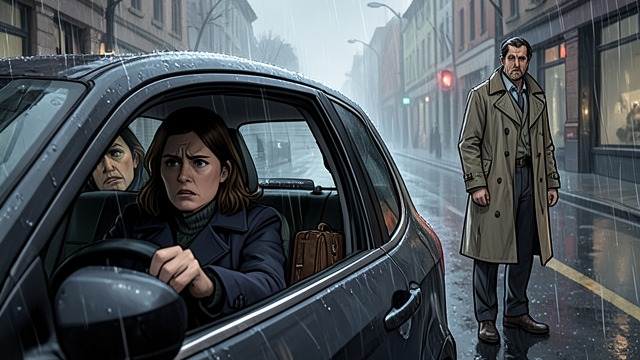
A Return by Choice
The investigator’s decision
Even when she could go home, V. I. Warshawski repeatedly drives south to investigate Nancy Cleghorn’s death and protect people at risk.
The cost of involvement
Her work brings threats, injury, and memories of being expected to care for others before she understood what that burden meant.
She is no longer simply fleeing home or being drawn back by guilt; she chooses to act while questioning the limits of that choice.
Leaving and Remaining
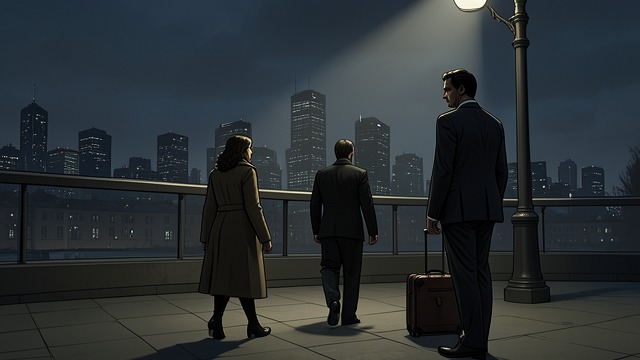
Home Reconsidered
Another departure
Caroline Djiak chooses to leave Chicago for Montana, while V. I. Warshawski remains in the city and returns to her ordinary work.
A changed bond
Their parting does not erase the South Side past; it reframes their connection as a chosen relationship rather than an obligation of proximity.
V. I. Warshawski can go home without promising to rescue everyone who lives there.
the opening drive down Route 41
during the first visits to the Djiak family
after V. I. Warshawski confronts Martha Djiak
after Nancy Cleghorn’s murder
the closing weeks after Louisa Djiak’s death
